
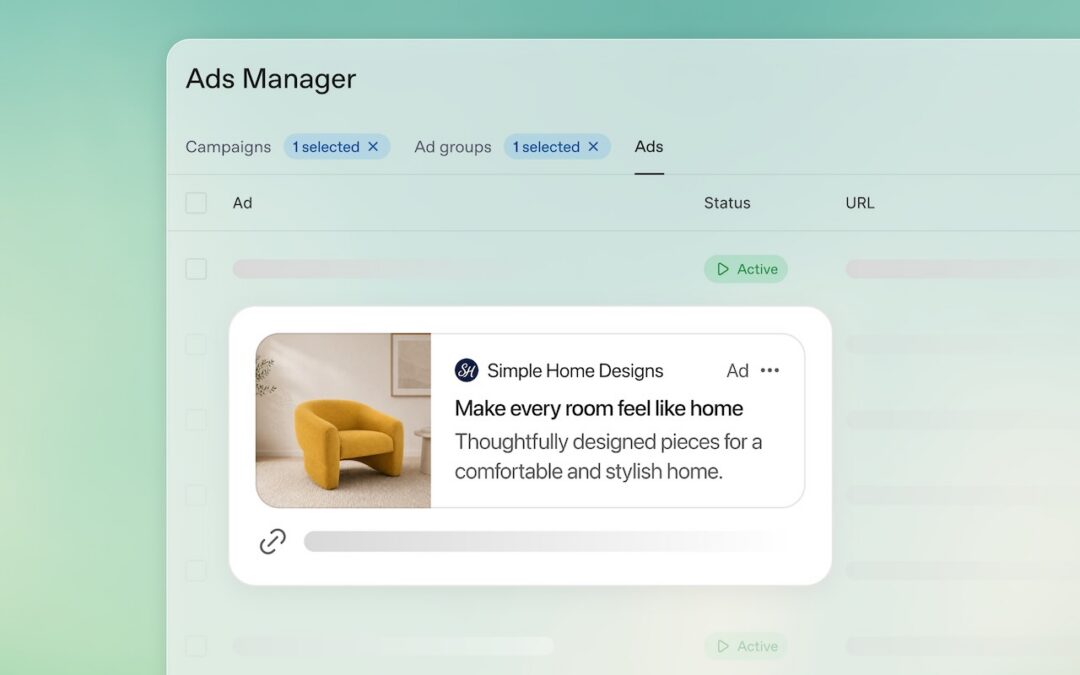
More and more people now ask ChatGPT questions they used to type into Google. They might want the best accounting software for a small business, a family-friendly lodge in the Drakensberg, or a reliable solar installer in Pretoria. In October 2026, OpenAI brought ChatGPT Ads to South Africa, so local businesses can now appear in those conversations. This guide covers how the ads work, who sees them, what they cost and how to tell whether they’re worth testing for your business.
How ChatGPT Ads Came About
OpenAI started testing ads in the United States in February 2026. The early pilot was only open to large brands with big minimum commitments. By May, OpenAI launched a self-serve Ads Manager with cost-per-click bidding and conversion tracking, making the platform workable for small and medium businesses. After that, the rollout moved quickly. On 21 October 2026, OpenAI added 26 more countries, including South Africa, Nigeria, Argentina and Ukraine, which brought the total to 89 markets. OpenAI also said more than 100,000 advertisers had run campaigns on the platform since it launched. For South African businesses, this means a new paid channel has opened at a point when most local competitors haven’t tested it yet.
How ChatGPT Ads Work
A ChatGPT ad is a sponsored card that appears below ChatGPT’s answer. It shows a business name, a short headline and description, an image and a link. Every card is labelled “Sponsored” and set apart from the answer. ChatGPT always writes its answer first. Only then does the ad system decide whether a relevant ad should appear underneath. OpenAI says advertising doesn’t influence what ChatGPT says, and ChatGPT doesn’t refer to the ad in its answer. Not every conversation shows an ad, and when it does, there’s only one ad slot.
What a ChatGPT Ad Looks Like in Practice
Here’s a simple example. Say someone in Cape Town asks ChatGPT: “I’m renovating my kitchen on a budget. Should I go with quartz or granite countertops, and roughly what should I expect to pay?” ChatGPT answers in full, comparing durability, maintenance and cost. Below that answer, a local countertop supplier’s sponsored card might appear with a headline like “Quartz and Granite Tops, Installed in Cape Town”, a line about free measuring and quotes, and a link to a quote page. The person has just finished reading a useful answer; they’re already comparing options, and the ad gives them a clear next step. That’s the moment ChatGPT Ads are built for.
Who Sees the Ads
Ads are shown to logged-in adult users on ChatGPT’s Free and Go plans. People on paid plans (Plus, Pro, Business and Enterprise) get an ad-free experience. That still leaves a large audience, because most ChatGPT users are on the free plan.
Context, Not Keywords
This is the biggest difference from Google Ads. On Google, you bid on the keywords people type. On ChatGPT, ads match the context of a conversation: what the person is exploring and what they seem to want. That changes how you plan. You start with the questions your customers ask on their way to buying, not a keyword list. For example, someone asking ChatGPT to compare three types of borehole pump is clearly further along than someone asking how boreholes work. Good campaigns are built around the moments when someone is close to a decision. ChatGPT conversations also tend to be longer and more detailed than search queries. A typical search might be “borehole pump price”, while a typical ChatGPT prompt might be “We have a 60 metre borehole on a smallholding near Hartbeespoort. What size pump do we need to run two households and a vegetable garden?” That prompt has much more intent, and the ad that appears beside it can be far more relevant.
ChatGPT Ads vs Google Ads at a Glance
It helps to see the two platforms side by side:
- Targeting: Google Ads matches keywords, while ChatGPT Ads matches the context of a conversation.
- Placement: Google shows several ads above and below search results, while ChatGPT shows a single sponsored card below the answer.
- User mindset: Google users are often ready to click and buy, while ChatGPT users are usually researching, comparing and asking for advice.
- Maturity: Google Ads has more than two decades of tools, data and benchmarks, while ChatGPT Ads is less than a year old and still adding features.
- Competition: Most South African industries are crowded on Google, while ChatGPT is still wide open for now.
What ChatGPT Ads Cost
You set your own budget and choose to pay per click or per thousand impressions. As with any auction, costs depend on your industry and on how many other advertisers want the same conversations. Because the platform is so new, there aren’t many reliable benchmarks yet, especially for South Africa. Our advice is to treat the first campaign as a test. Set a budget you’re comfortable learning with, run it for four to eight weeks, and judge it on cost per lead or sale, not clicks alone. If your ad account is billed in a foreign currency, your rand cost will move with the exchange rate. Build a small buffer into your monthly budget to allow for this.
Which Businesses Can Advertise
OpenAI has been careful about which industries it lets in. Retail and consumer goods, travel, education, local services and digital products are generally eligible. Health and financial services are restricted, and gambling and crypto aren’t allowed. These policies are still changing, so check your category before you plan a campaign. South African businesses in these sectors are well placed to test the channel early:
- Tourism and hospitality, such as lodges, guesthouses, tour operators and travel agents
- Education and training, such as private colleges, short courses and online learning
- Home services, such as solar installers, builders, plumbers and security companies
- E-commerce and retail, especially products people research before buying
- Software and digital services for small businesses
Planning Your First ChatGPT Ads Campaign
A focused first campaign will teach you more than a broad one. This simple process works well:
- List your customers’ questions. Write down the questions people ask before they buy from you. Your sales team, enquiry emails and website FAQs are good places to find them.
- Pick one product or service. Choose an offer with healthy margins and a clear next step, such as a quote, booking or purchase.
- Prepare a matching landing page. Send people to a page that continues the conversation they were having, not to your homepage.
- Set up tracking before launch. Install the OpenAI pixel and make sure your enquiries or sales are recorded in GA4.
- Launch with a test budget. Run the campaign for at least four weeks before you make big decisions.
- Review and refine. Look at which conversations and ads bring in leads, cut what doesn’t work and put more budget into what does.
Writing Ads That Work in ChatGPT
A ChatGPT ad appears straight after a helpful, detailed answer. An ad that feels pushy or generic will look out of place there. The best ads continue the conversation. These tips help:
- Lead with the benefit to the reader, not your company name
- Be specific about what you offer and where, for example, “Same-day solar repairs in Centurion”
- Give a clear, low-pressure next step, such as a free quote, a sample or a short consultation
- Use a clean, relevant image that shows the product or the result
- Test two or three versions so the data tells you which one works best
Landing Pages Matter More Than Ever
Someone who clicks a ChatGPT ad has usually just read a detailed answer. They arrive informed and with high expectations. If your landing page is slow, vague or hard to use on a phone, they’ll leave quickly. A strong landing page for ChatGPT traffic loads fast on mobile, states your offer clearly above the fold, answers the obvious follow-up questions (price range, delivery area, turnaround times) and makes it easy to get in touch through a short form, a WhatsApp button or a phone number.
Measuring Results
You can track results with OpenAI’s website pixel and its Conversions API, which record actions like enquiries, sign-ups and purchases after someone clicks an ad. Ads Manager reports on impressions, clicks, spend, click-through rate, cost per click and conversions. If you can, connect this tracking to GA4 as well. That lets you compare ChatGPT traffic with Google Ads, Meta and organic search side by side. A new channel is only worth keeping if it does better than the alternatives. Keep in mind that ChatGPT users are often early in their research. Some will come back later through Google or your website to buy. Look at assisted conversions and overall enquiry volume, not just last-click results, so you don’t undervalue the channel.
Common Mistakes to Avoid
Because the platform is new, many advertisers make the same avoidable mistakes:
- Copying Google Ads campaigns directly. Keyword-style headlines rarely work well in a conversational setting.
- Launching without conversion tracking. Without it, you can’t tell whether the channel is making money.
- Sending traffic to the homepage. A specific landing page almost always converts better.
- Judging results too early. A week or two of data isn’t enough to make good decisions on a new channel.
- Cutting proven channels to fund the test. Use extra budget for ChatGPT Ads, not budget that’s already delivering results.
ChatGPT Ads vs AI Search Optimisation
There are two ways to show up in ChatGPT, and it helps to keep them apart:
- ChatGPT Ads buys a sponsored spot below the answer. You pay for clicks or impressions and get visibility straight away.
- AI search optimisation (also called GEO or AEO) aims to get your brand mentioned or recommended inside the answer itself. It takes longer, but you don’t pay per click.
They work well together. A brand that ChatGPT already recommends in its answer, and that also appears in the sponsored slot, gets noticed twice in the same conversation.
Is It Right for Your Business?
ChatGPT Ads is likely to suit you if:
- Your customers research carefully before they buy, by comparing options, reading reviews or asking for advice
- Your industry is on OpenAI’s eligible list
- You already track leads and sales reliably so that you can judge the channel properly
- You have room in your budget to test something new without cutting what already works
It’s probably too early if your Google Ads or SEO basics still need work, or if you sell in a restricted category. For most businesses, ChatGPT Ads is an addition to Google Ads, not a replacement. Google still handles most search demand, and ChatGPT reaches people earlier, while they’re still researching.
What to Expect in Your First 90 Days
New channels rarely perform at their best straight away. Knowing what normal looks like helps you make calm, sensible decisions instead of switching a campaign off too early or scaling it too fast.
Month One: Learning
The first month is about collecting data. You’ll see which conversations trigger your ads, which headlines and images get clicks, and whether your tracking records enquiries properly. Expect costs per lead to be higher than they will be later, and don’t make big changes to the campaign based on a handful of days.
Month Two: Refining
By the second month you’ll have enough data to see patterns. This is when you pause the weakest ads, tighten the conversation topics you want to appear alongside, and improve the landing page based on visitor behaviour. Most of the gains in a new campaign come from these small, steady improvements.
Month Three: Deciding
After about 90 days, you should be able to answer the important question: is ChatGPT Ads bringing in leads or sales at a cost that makes sense next to your other channels? If it is, you can increase the budget gradually or test a second product or service. If it isn’t, you’ll know why, and you can decide whether to adjust the approach or move the budget back to channels that perform better.
Where ChatGPT Ads Are Heading
ChatGPT Ads has changed more in its first year than most ad platforms change in five. In less than twelve months, it went from a closed pilot for large brands to a self-serve platform in 89 countries, with cost-per-click bidding, conversion tracking, and product feed ads added along the way. That pace is likely to continue. OpenAI has been adding new ad formats, richer reporting and measurement tools, and it is testing more interactive formats that let people engage with a brand inside ChatGPT. Eligible categories may also widen as OpenAI’s advertising policies develop. For advertisers, this has two implications. First, the platform you test today won’t be the platform you use a year from now, so it pays to stay close to the changes. Second, businesses that learn how conversational advertising works now will be better prepared when the channel matures and competition increases. The skills you build early, like planning around customer questions, writing ads that fit a conversation and measuring results across channels, will keep their value as the platform grows.
The Bigger Picture: How People Find Businesses Is Changing
ChatGPT Ads is part of a wider shift. For more than twenty years, finding a business online mostly meant typing a few words into Google and scanning a list of links. Now more people describe their situation to an AI assistant and expect a considered recommendation in return. This doesn’t mean Google is going away. It does mean your customers’ path to buying now has more steps and more places to discover you. Someone might ask ChatGPT for advice, check reviews on Google, look at your Instagram page and then come back to your website to enquire. The businesses that do well in this environment show up consistently at every step. They have accurate, helpful information on their own websites; they’re visible in search and AI answers; and they use paid channels to be present at the moments that matter most. ChatGPT Ads gives South African businesses one more way to be present at one of those moments.
Getting Started With ChatGPT Ads
The platform is new, and most South African businesses haven’t tried it yet. That gives early advertisers less competition and more time to learn what works before the channel gets busier. If you’d like help deciding whether you need a ChatGPT Ads Agency for your business, or want a campaign set up and measured properly from day one, our team can help you plan a focused first test.
